

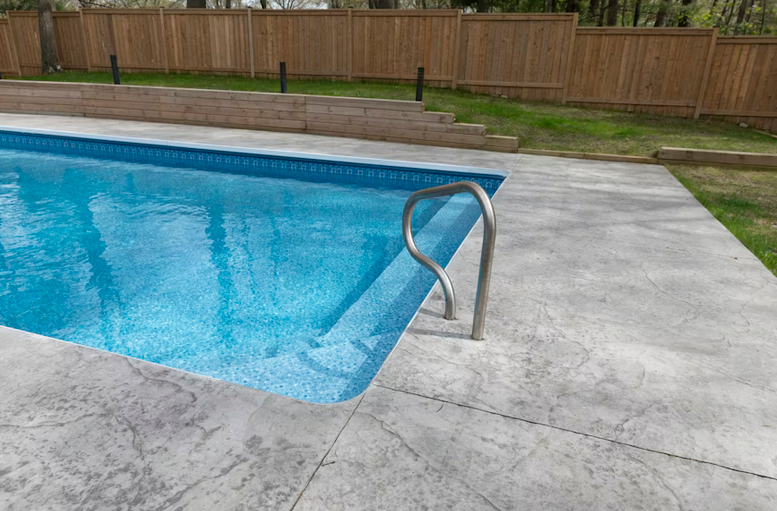
Swimming pools were once seen as the ultimate backyard upgrade. They symbolized relaxation and status. Over time, however, many homeowners have started to reconsider their value. Rising maintenance costs, safety concerns, and shifting lifestyle priorities are changing perspectives. In cities like Texas, interest in pool removal in Fort Worth continues to grow as property owners look for practical alternatives. Instead of investing in renovations, a growing number of property owners are choosing demolition. This shift is not impulsive. It is often the result of careful financial and practical evaluation. Removing a pool can open new opportunities for how a yard is used and maintained. For many households, demolition makes more sense than pouring money into repairs.
Rising Maintenance Costs and Repairs
Pool ownership is expensive. Chemicals, cleaning services, electricity, and water all add up. Equipment such as pumps and filters wears out. Surfaces crack. Tiles loosen. Renovation costs can quickly climb into the tens of thousands. Many homeowners begin with small repairs. Then they discover structural damage beneath the surface. Older pools may require resurfacing, plumbing updates, or deck reconstruction. Each layer of work increases the bill. At some point, renovation feels endless. Demolition offers finality. Instead of recurring repairs, owners can close that chapter. They eliminate ongoing expenses and reduce financial uncertainty. This decision often brings relief.
Changing Lifestyle Priorities
Families evolve. Children grow up. Work schedules shift. What once felt essential may no longer fit daily life. Some homeowners find they use the pool only a few weeks each year. The rest of the time, it sits unused, demanding attention. Today, many people prefer versatile outdoor spaces. Lawns for pets. Patios for gatherings. Gardens for relaxation. Removing a pool creates flexibility. The yard becomes adaptable rather than specialized. Health and liability concerns also influence decisions. Parents worry about safety. Insurance premiums can increase because of pool ownership. Demolition reduces these risks and helps ensure peace of mind.
Considering the Impact on Property Value
Pools do not guarantee higher home values. In some markets, they limit buyer interest. Maintenance concerns discourage certain buyers. Families with young children often see pools as hazards rather than amenities. Real estate agents frequently note that homes without pools attract broader audiences. Buyers appreciate lower upkeep and fewer long-term expenses. In regions with shorter swim seasons, the appeal is even lower. By removing the pool, homeowners may widen their resale market. A clean, level yard appeals to diverse lifestyles. It offers potential without imposing obligations. That flexibility can be a strong selling point.

Concerning Environmental and Resource
Water usage is becoming a serious issue in many areas. Pools require regular refilling due to evaporation and cleaning. In drought-prone regions, this can feel wasteful. Rising utility costs add pressure. Energy consumption is another factor. Pumps and heaters run for hours each week. Over time, that electricity usage is significant. Demolition reduces both water and power demands. Some homeowners prefer sustainable landscaping instead. Native plants, shade trees, and efficient irrigation systems create attractive outdoor environments with fewer resources. Removing a pool aligns with a more responsible approach to homeownership.
Designing Freedom After Demolition
A filled-in pool area becomes a blank canvas. This is often the most exciting part of the process. Without the fixed shape of a pool, the yard can be redesigned completely. Homeowners may install outdoor kitchens, fire pits, or extended patios. Others choose open green space for sports and recreation. The transformation can feel dramatic. It allows the backyard to reflect current needs rather than past trends. Professional demolition also ensures the ground is properly compacted and graded. Proper drainage is essential. When done correctly, the space becomes stable and ready for new features. Careful planning helps ensure the project meets local regulations and supports long-term use.
Planning Financial Practicality
Renovation can seem like the responsible choice at first. Yet when costs are compared, demolition often proves more practical. A full renovation may require resurfacing, equipment replacement, and structural upgrades. These expenses rarely end with one project. Demolition, by contrast, is a one-time investment. After completion, routine maintenance drops significantly. Homeowners redirect funds toward landscaping or home improvements that benefit daily living. Financial clarity matters. Removing a pool simplifies budgeting. There are no surprise repair bills or emergency equipment failures. For many, this predictability provides comfort. It also reflects a broader trend in homeownership. People want manageable properties. They value flexibility and function. The backyard becomes a multi-purpose extension of the home rather than a maintenance burden.
The decision to remove a swimming pool is rarely emotional alone. It is rooted in practical thinking. Rising costs, shifting lifestyles, environmental awareness, and resale considerations all play a role. While pools once symbolized luxury, they no longer suit every household. Demolition offers closure and opportunity. It removes ongoing obligations and creates space for new possibilities. For many homeowners, that trade-off feels logical and freeing.